Systems that stop working in silos
Real-time data integrations, built with tools like Salesforce, MuleSoft and Azure Functions, that let platforms share context without manual workarounds or duplication.
Our API integration services sit at the centre of how modern platforms operate. When they’re built with intent, data moves predictably between systems, teams stop compensating manually, and platforms hold up under real-world demand.

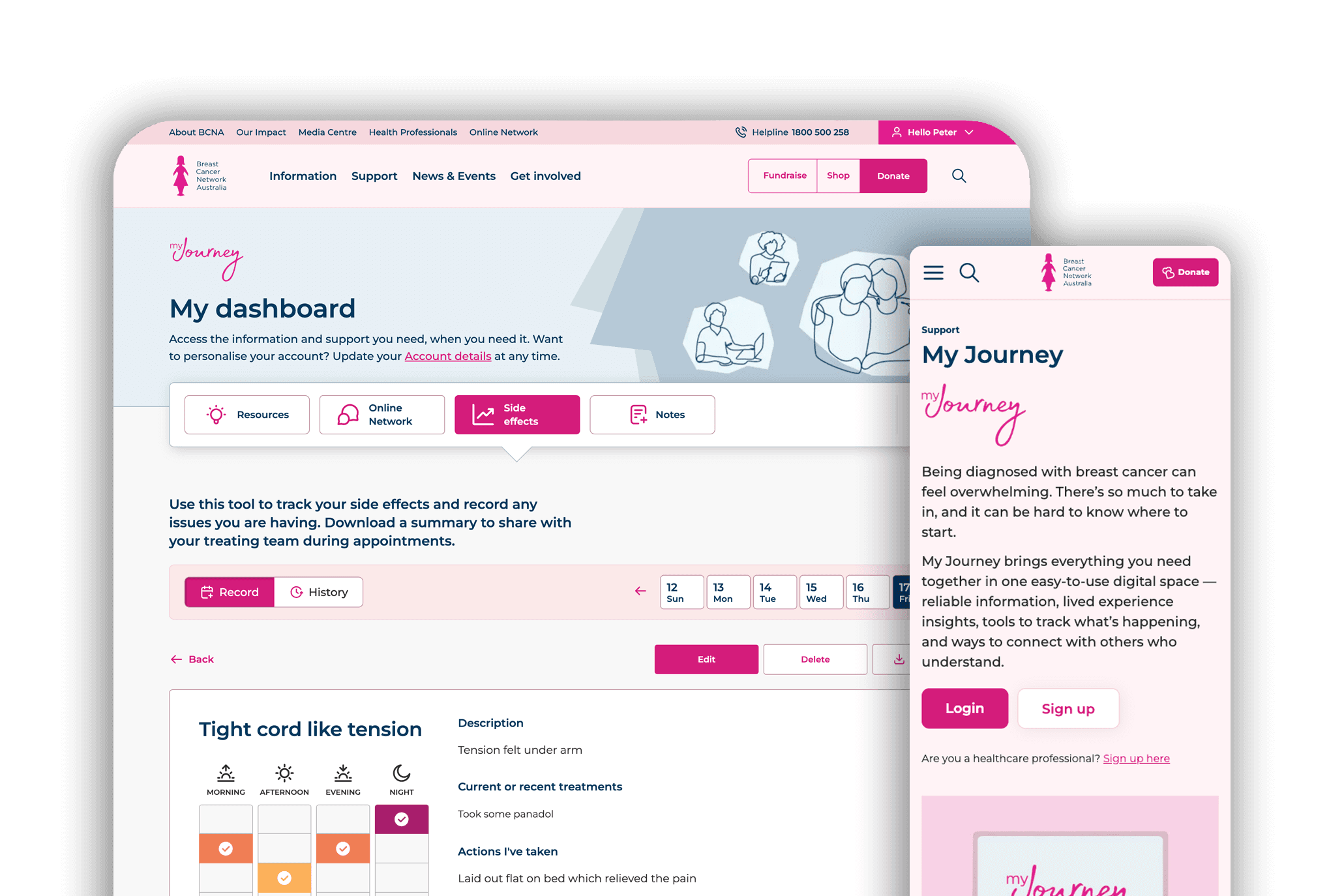
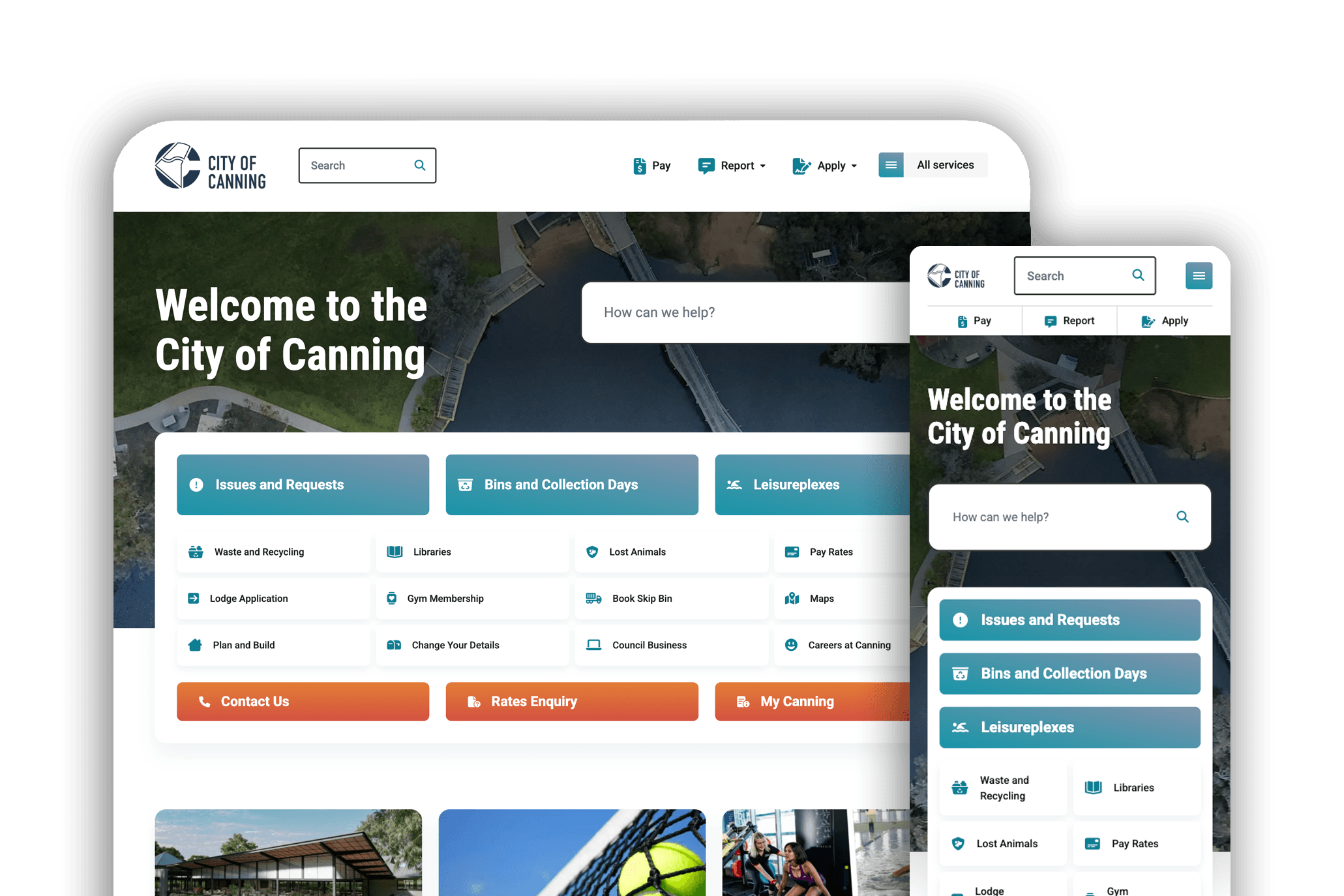
As systems grow, integrations shift from background plumbing to operational backbone. We've connected Salesforce, Khoros Community and MuleSoft into a single real-time platform for BCNA, cutting data duplication by 90 percent, and linked council ERP systems like TechnologyOne directly into resident-facing platforms for the City of Canning. That's the standard we build to: integrations that stay dependable as usage grows, not ones that quietly create more work.
Real-time data integrations, built with tools like Salesforce, MuleSoft and Azure Functions, that let platforms share context without manual workarounds or duplication.
Integration architecture that accounts for rate limits, retries, and spikes without falling over.
Permissioned access, token management, and authentication patterns designed for safe data exchange.
Monitoring and alerting that helps teams spot issues early and respond before they escalate.
Integrations that connect AI tools and agents into existing systems, not just system to system. The same clear structure and named data flows also make a business easier for AI answer engines to find and cite.
CRM, ERP, payments, and platforms like Salesforce, HubSpot, Shopify and TechnologyOne, connected around how your business actually runs. If it's got an API, our team can build the integration.
Single sign-on and unified identity management, like the setup we built for BCNA, so people move between connected systems without separate logins or duplicated accounts.
Established enterprise systems connected into new platforms, the way we linked City of Canning's TechnologyOne ERP into their rebuilt council site, so organisations gain new capability without losing what's already running.
Disconnected platforms force teams to compensate manually: exporting data, reconciling records, second-guessing what's current. When integrations are designed to move context as well as data, workflows become simpler and decisions happen faster. That's what unifying Salesforce and Khoros Community around a single member experience did for BCNA: real-time sync, no more manual reconciliation.

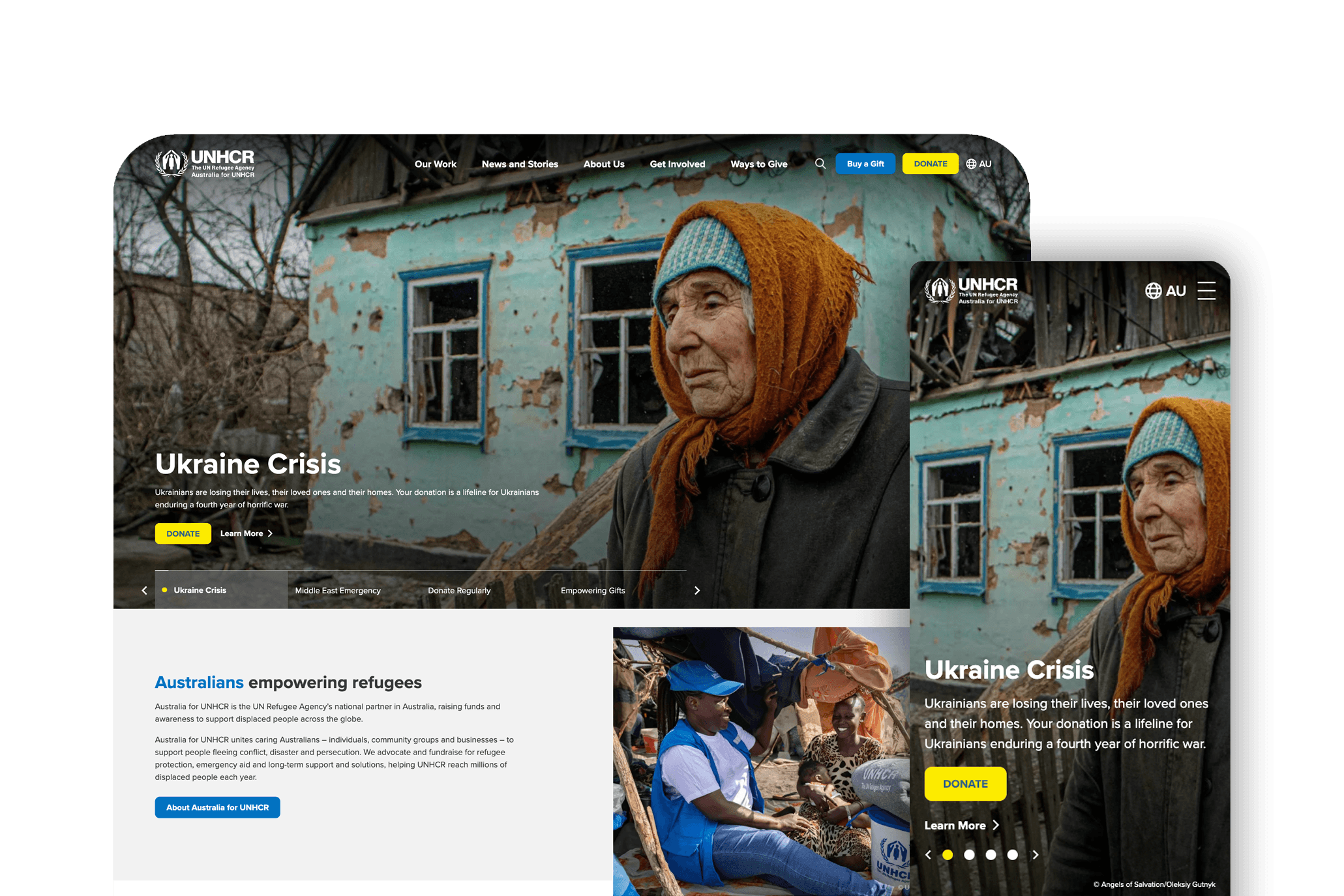
Integration stress rarely shows up in testing. It appears during campaign spikes, reporting cycles or unexpected load, when retries, throttling and failure handling matter most. For Australia for UNHCR, the Paydock payment integration and CRM mapping were built with validation layers, fraud mitigation and Azure-driven automation so donations stay reliable during emergency appeals. Architecting for those moments upfront keeps systems steady when demand increases.

Secure integrations aren’t just about encryption, they’re about knowing exactly who can access what, and why. Clear permission models and controlled authentication create confidence that data is moving safely, even as systems and teams change.

Integrations rarely fail loudly. They drift, slow down, or behave inconsistently over time. Monitoring and health checks make those changes visible early, so teams can act before small issues turn into operational blockers.








Umbraco CMS is a flexible, open source platform designed for organisations dealing with complex content, integrations, and governance. As an Umbraco Platinum Partner, it's our go-to content management system when simpler platforms break down, supporting enterprise, government, and NFP platforms that need to scale, stay secure, and remain usable for everyday teams.
Read moreEnterprise website development services must navigate real operational pressure: governance, accessibility, scale, internal stakeholders, and constant change. When a website is treated as a static asset, teams pay for it later through rebuilds, workarounds, and lost momentum.
Read moreFinance and insurance teams don’t get room for digital guesswork. If a platform is slow, unclear, or fragile, trust erodes fast. Our work includes financial services web development for organisations operating under industry regulations and real financial risk, building platforms that are clear to use, hard to break, and designed to stand up to scrutiny.
Read moreTell us which systems need to talk to each other and what breaks today. We will map the integration, name the risks and give you a clear scope before anything is built.
We've built integrations with platforms including Salesforce, HubSpot, Shopify, TechnologyOne, MuleSoft and Azure Functions. If a system has an API, our team can build the integration, so that list is a starting point, not a limit.
Yes. These are among the systems we integrate with most often, typically to keep customer or member data in sync between a website or platform and the CRM, without manual exports or duplicate data entry.
Yes. We've connected an Umbraco platform to enterprise systems including TechnologyOne ERP and enterprise document management systems for a local government client, so the site and back-office systems share data rather than operating separately.
On more complex projects we've used integration platforms like MuleSoft and serverless tools like Azure Functions to keep data synchronised in real time between systems, rather than relying on scheduled batch exports. The right approach depends on the systems involved and how current the data needs to be.
It depends on the system. Some offer alternative integration paths (webhooks, file-based exports, database-level access) even without a full public API, and we assess this case by case. If a system genuinely can't be integrated with, we'll tell you that early rather than after the work has started.